Infection prevention awareness: free online course for New Zealand care, cleaning and early childhood workers
Clean hands, gloves and masks, coughs and sneezes, staying home when sick, and speaking up. Plain-English infection prevention basics for NZ care and cleaning work.
About 38 min
6 short modules
16 questions
85% to pass
About this course
You are about to help someone to the bathroom, wipe a toddler's nose or clean a door handle. Each is a chance for germs to move from one person to the next. This course explains how that happens and the everyday habits that stop it: clean hands, the right protective gear, covering coughs, staying home when you are sick, and speaking up when something is wrong.
Your employer's induction and hands-on training come first, because they show you the real procedures where you work. In an outbreak, follow your employer's or public health instructions, even where they differ from this course. This course is general background. It does not teach or check any clinical task.
Study and the assessment are free, with no account needed. Hand Hygiene New Zealand, the Australian Commission on Safety and Quality in Health Care and Health New Zealand's early childhood guidelines are free alternatives, all linked on this page, and you may prefer them. If your employer requires workplace health and safety training, ask whether they provide or fund it before purchasing this optional certificate. Pay only if you pass and want our certificate for your own records.
What you will learn
Describe the main ways infections spread, as Health New Zealand and WorkSafe explain them
Use the 5 Moments for Hand Hygiene, and know when soap and water is the better choice
Explain at a general level when gloves, aprons and masks are used, and who has to provide them
Cover coughs and sneezes, and apply official advice on staying home when you are unwell
Know your part in cleaning and laundry, and follow your workplace's procedure
Stop, keep others away and report when you find a used sharp or a spill, and act fast after a needlestick
Raise an infection risk with the right person
Who this course is for
Caregivers and support workers in rest homes, private hospitals and home support
Cleaners and housekeeping staff, especially in care facilities and early childhood services
Teachers and other workers in early childhood services
People thinking about this work who want to understand the basics first
How the course works
1. How infections spreadThe main ways germs spread, who is most at risk, and why the same basics apply to everyone.About 4 min, ending with a quick check
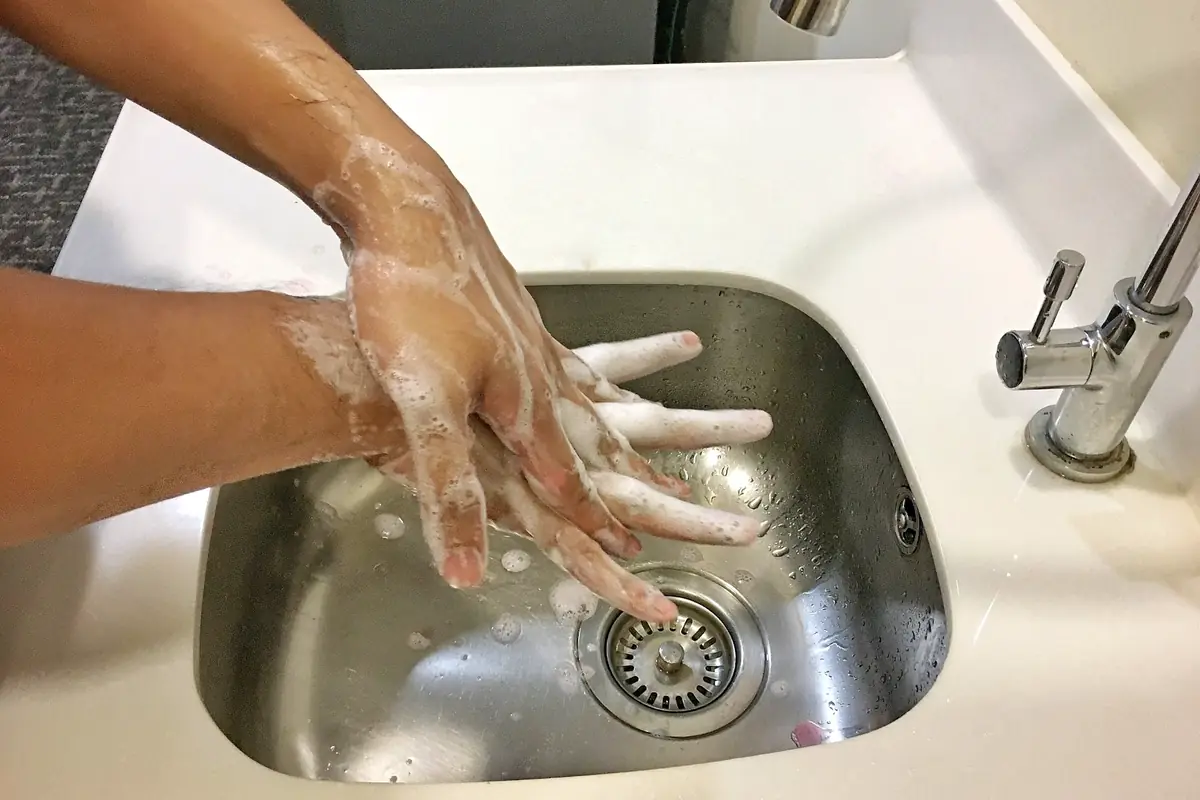
2. Clean handsThe 5 Moments, when soap and water beat sanitiser, and how long it really takes.About 4 min, ending with a quick check
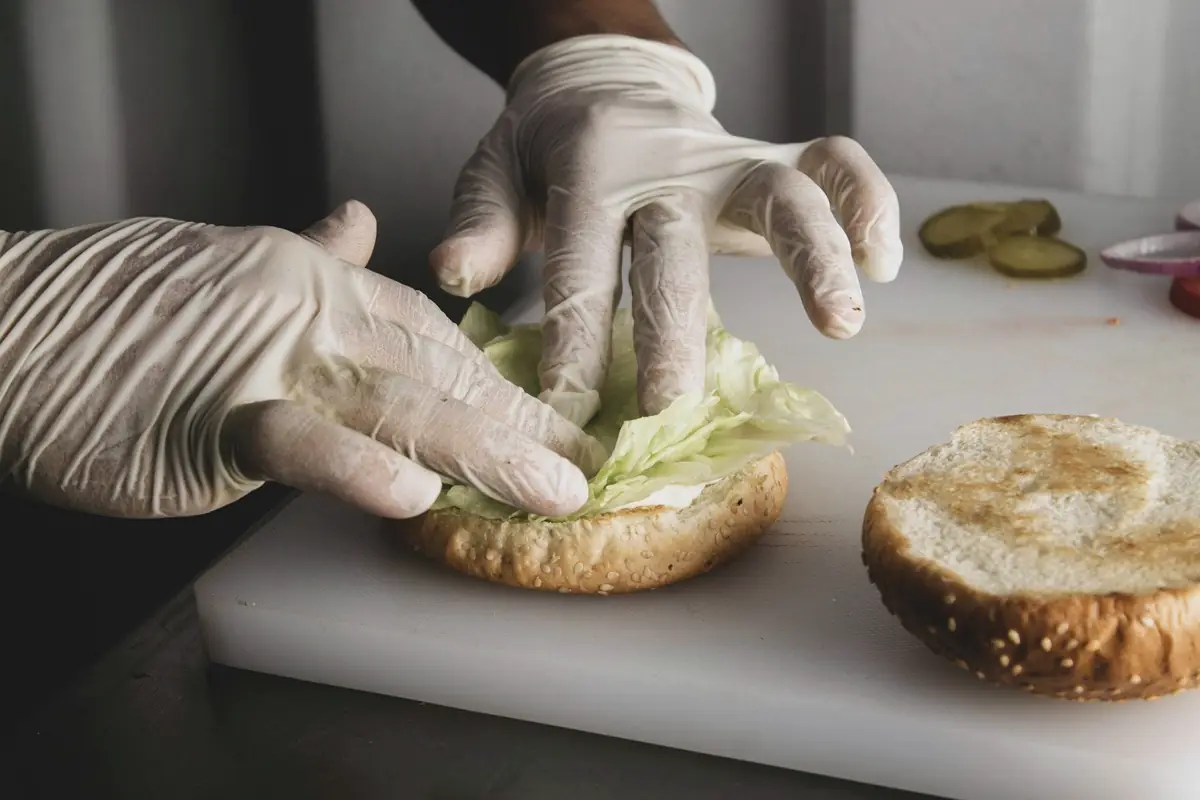
3. Gloves, aprons and masksWhat protective equipment is for, when each item makes sense, and who has to provide it.About 4 min, ending with a quick check
4. Coughs, sneezes and staying homeCovering coughs, fresh air, when to stay home and why your manager needs to know.About 5 min, ending with a quick check
5. Your part in cleaning and laundryClean first, then disinfect. Why cloths and chemicals matter, and what to do with soiled laundry. Your workplace's procedure comes first.About 4 min, ending with a quick check
6. Sharps, spills and speaking upStop, protect and report when you meet a needle or a spill, and how to raise a concern.About 5 min, ending with a quick check
Sit the assessment16 questions drawn at random. You need 85% to pass, and there is no time limit. If you do not pass, you will see which topics to review, then try again with a new set of questions.Free, and so are retries
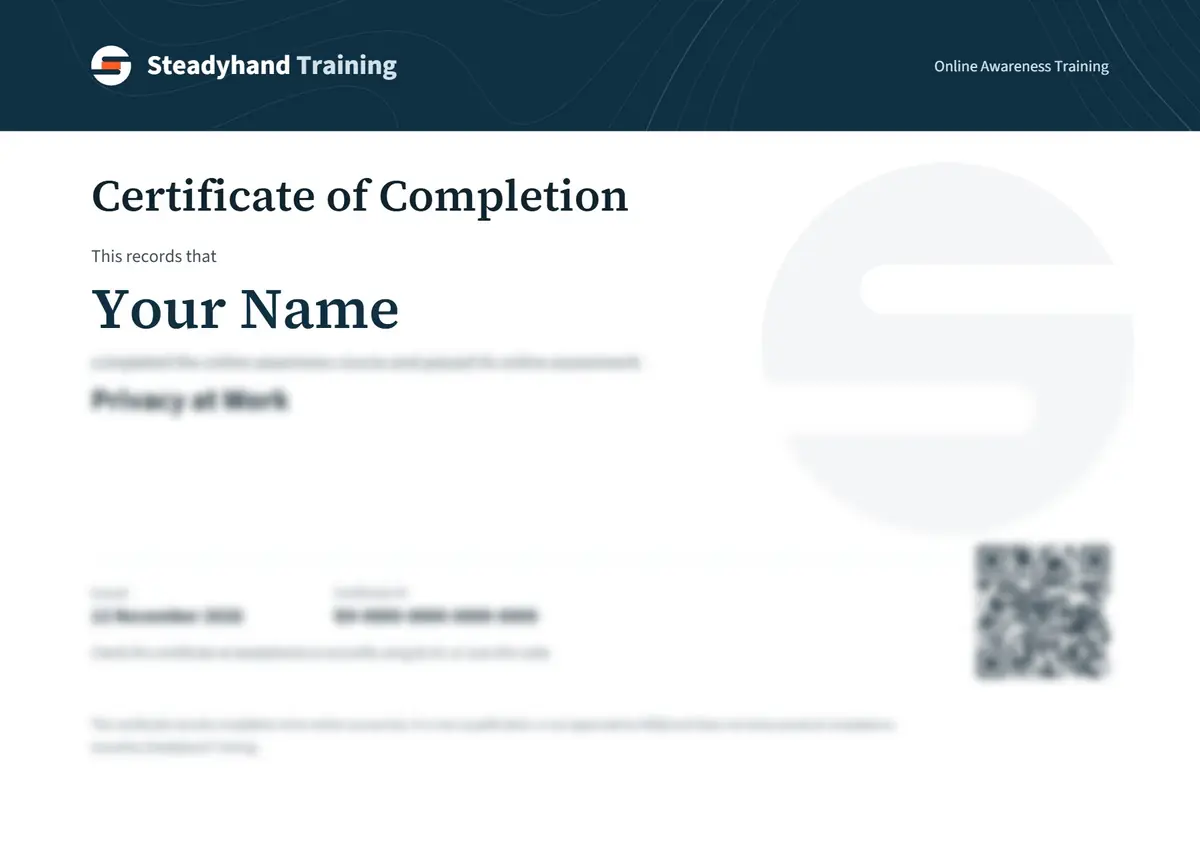
If you pass, the certificate is your choiceYou pay once, then get the PDF straight away and a copy by email. Your place is saved on this device the whole way, with no sign-up.NZ$24.90, optional
Sample. Yours shows your name, the course, the date and an ID anyone can check.
What this certificate does and does not show
This is general awareness. It does not replace your employer's induction, hands-on training, supervision or sign-off, and it does not show that you can safely do any task.
It does not teach clinical tasks, how to put on and take off protective equipment, how to clean up a spill or how to handle sharps. Your employer is responsible for the training your job needs, and your workplace's procedures come first.
Outbreak instructions from your employer or public health come first. Official advice also changes, and this course records it as at 3 November 2026.
It is not a qualification. It earns no credits toward Health and Wellbeing qualifications at Levels 2 to 4, gives no pay-equity step or equivalence, and does not help any provider meet Ngā Paerewa.
If your employer requires workplace health and safety training, ask whether they provide or fund it before purchasing this optional certificate. This awareness course does not replace workplace-specific training or induction.
It is not medical advice. If you are worried about your health, call your doctor or Healthline on 0800 611 116. In an emergency, call 111.
How is this different from the Hand Hygiene New Zealand modules?
Those modules are for New Zealand healthcare workers and go deeper on hand hygiene. This course is a broader introduction for care, cleaning and early childhood workers. If you work in healthcare, ask your employer about those modules first. They are linked on this page, and the pages we opened do not state a cost.
Will my employer accept the certificate?
Ask them first. Each employer decides what training it accepts, and your employer's own induction comes first. You can study and sit the assessment here free before deciding.
Do I have to pay for training my employer requires?
Ask your employer first. The Health and Safety at Work Act 2015 says a business must not charge a worker for anything done or provided for health and safety. If your employer requires workplace health and safety training, ask whether they provide or fund it before purchasing this optional certificate. Study and the assessment here are free, and the optional certificate costs NZ$24.90. This awareness course does not replace workplace-specific training or induction.
There is an outbreak at my work. Should I follow this course?
No. Follow the instructions from your employer or public health, which are written for what is happening where you work. For health advice about yourself, call your doctor or Healthline on 0800 611 116. In an emergency, call 111.
Will this teach me how to put on PPE, clean up a spill or handle sharps?
No. Those are hands-on skills that your employer should show you and check. This course explains why they matter, when they generally apply and how to stop, protect and report.
Does this count toward Ngā Paerewa, a qualification or pay equity?
No. It is not a qualification. It earns no credits toward Health and Wellbeing qualifications at Levels 2 to 4, gives no pay-equity step or equivalence, and does not help any provider meet Ngā Paerewa.
Official sources behind this course
The lessons are original summaries of these sources. For your own situation, the source is what counts.
Version 1.1.1, last checked 2026-11-03. Approved for publication by our editor on 2026-11-09. Not reviewed by an external professional. How we check our content.
Clean before you disinfect, read labels and safety data sheets, never mix products, handle wet floors and lone work, and know what to leave alone and report.
For your first weeks as a caregiver or support worker: who does what, people's rights, dignity, whānau, noticing and reporting changes, home visits and speaking up.
Everyday food safety for NZ food workers, using MPI's figures: handwashing, staying away when sick, keeping food apart, temperatures, cooling, reheating and date marks.
38 min
5 modules
Free to study
Certificate NZ$24.90if you pass
View course
Passed 2 or more courses? Buy their certificates together and pay 20% less.